Improve Efficiency: Excellence in Data Center Resource Management Services for Excellent Performance
Enhancing productivity in data centers is vital for organizations looking to improve results. Top Data Center Infrastructure Management (DCIM) services supply essential tools for continuous monitoring and analytics. Solutions from ServiceNow, Sunbird, Schneider Electric, and Nlyte distinguish themselves in this industry. These services not only keep track of equipment but also refine resource handling. Understanding how to identify the right DCIM solution can generate significant gains. What aspects should organizations take into account to make an well-informed selection?
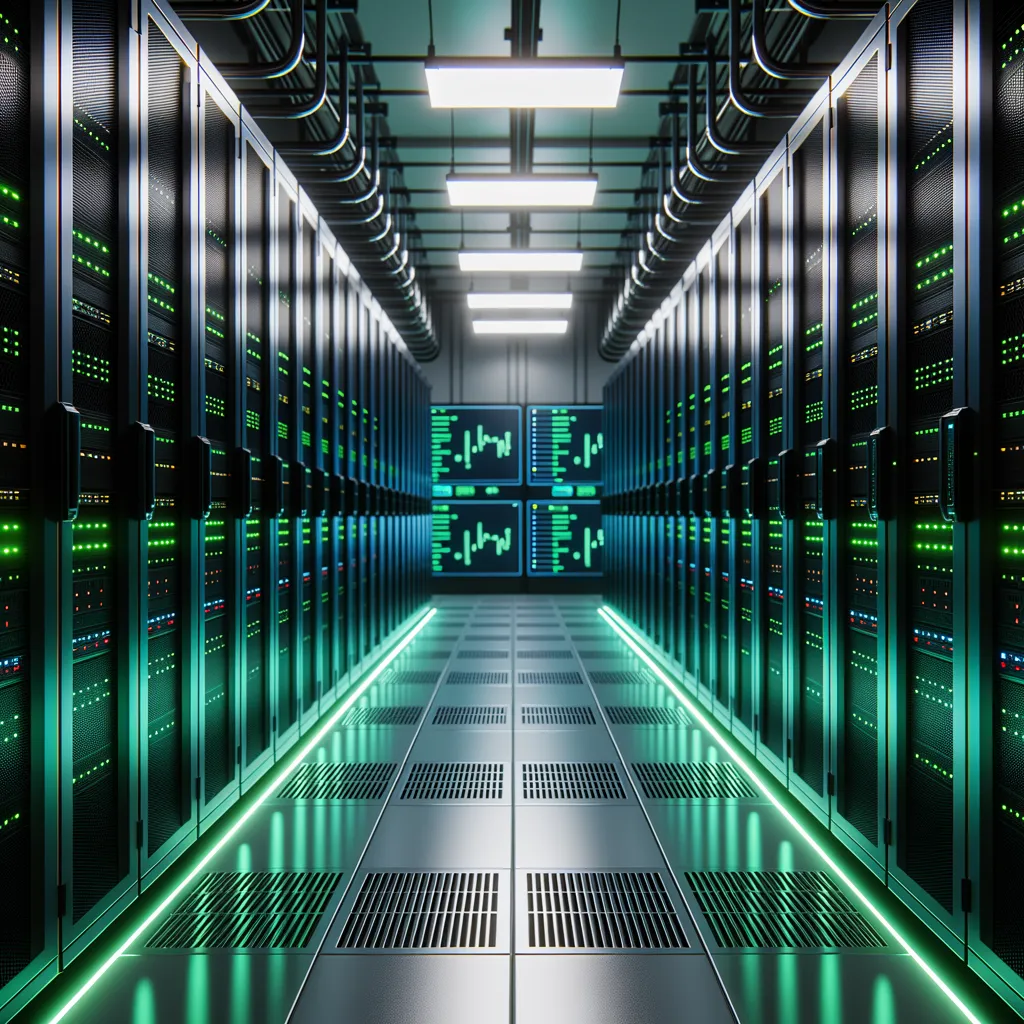
Leading DCIM Services for 2023
As organizations ever more depend upon data centers to support their endeavors, identifying the best Data Center Infrastructure Management (DCIM) systems for 2023 becomes vital. Leading DCIM services offer full solutions designed to advance resource management, improve operational efficiency, and pledge robust monitoring capabilities. Notable choices in the market include ServiceNow, distinguished by its integration capabilities, and Sunbird, which excels in real-time visualization and reporting. Additionally, Schneider Electric extends a powerful platform for energy management and asset tracking.
Another key player, Nlyte, specializes in improving data center efficiency through sophisticated analytics. These services not only facilitate improved decision-making but also assist with predicting upcoming needs. As data demands continue to grow, choosing a DCIM service that provides flexibility and adaptability is essential. Ultimately, organizations must assess their particular needs to choose the most appropriate DCIM service, ensuring optimal performance and dependability in their data management strategies.
Learning about Data Center system administration (DCIM)
Data Center Infrastructure Management (DCIM) covers a collection of instruments and practices designed to oversee, control, and enhance data center assets. By combining IT and facility management, DCIM provides thorough visibility into the efficiency and usage of critical assets. This method facilitates real-time data collection, enabling operators to take knowledge-based actions regarding energy consumption, cooling efficiency, and space utilization.
DCIM systems commonly encompass capabilities such as asset tracking, capacity planning, and facility oversight, which synergistically to enhance workflow performance. They provide infrastructure leaders the ability to recognize bottlenecks, refine operations, and minimize spending. Moreover, DCIM enables forward planning for future expansions and supports enterprises satisfy compliance frameworks. Through implementing well-designed DCIM approaches, data centers can realize increased stability, better environmental practices, and greater overall performance, as a result boosting enhanced service delivery in a dynamic digital landscape.
Critical Capabilities for Determining Efficient DCIM Solutions
Assessing efficient Data Center Infrastructure Management (DCIM) services requires careful assessment of critical features that enhance operational efficiency and resource management. Key characteristics include real-time monitoring capabilities, providing instant insight into power usage and environmental conditions. Connectivity with current infrastructure is also critical, as frictionless communication fosters a unified approach to data management.
Scalability represents another significant feature, enabling organizations to adjust as their infrastructure grows and changes. Sophisticated analysis tools can offer predictive insights, supporting strategic planning and minimizing downtime. Intuitive dashboards enhance accessibility for multiple users, while robust security measures safeguard sensitive data.
At last, configuration options warrant that DCIM services can be tailored to meet targeted operational goals. By focusing on these essential features, firms can select DCIM services that not only streamline operations but also enable long-term sustainability and operational success.
Selecting the Best DCIM Platform for Your Needs?
What approach can an organization use to choose the best DCIM solution tailored to its distinct needs? The selection process commences with a thorough review of present infrastructure and operational requirements. Organizations should pinpoint concrete goals, such as improving uptime, strengthening resource allocation, or optimizing capacity planning. Additionally, evaluating growth potential is essential; a solution must adapt to forthcoming growth and digital advancements.
Subsequently, enterprises must assess integration options. The ideal DCIM solution should integrate seamlessly with current tools and systems. Usability also is important; intuitive interfaces support user adoption and efficiency.
In addition, entities should review vendor support and community engagement, as persistent support and assets can be meaningful. Conclusively, conducting a financial assessment validates that the chosen solution accords with financial boundaries while presenting the anticipated pertinent information value. By sticking with these steps, institutions can positively select a DCIM offering that addresses their distinct requirements and enhances comprehensive performance.
Implementing DCIM Resources to Strengthen Power Management
Deploying DCIM tools can greatly improve energy efficiency within data centers. Through providing comprehensive insights into energy demand and thermal dynamics, these tools enable operators to identify operational inefficiencies and refine resource allocation. With real-time information on energy usage, data center managers can make well-informed decisions about equipment placement and cooling strategies, making sure that energy is not squandered.
DCIM solutions also facilitate automation in monitoring and managing power loads, allowing for dynamic adjustments based on current demand. This adaptability can lead to significant reductions in energy costs. In addition, comprehensive analytics within DCIM tools can highlight areas for further refinement, promoting preventive actions rather than reactive fixes.
Integrating these solutions into everyday workflows fosters a environment of continuous improvement, ultimately leading to a greener data center setting. The outcome is not just improved performance but also a lower environmental impact, conforming with broader environmental goals.
Continuous Monitoring : The Fundamental Support of DCIM Success
Real-time supervision constitutes a paramount feature in the success of Data Center Infrastructure Management (DCIM). By supplying boosted performance metrics, it allows proactive problem discovery and streamlining of resource utilization. This characteristic ultimately adds to greater operational efficiency and steadiness within data centers.
Optimized Performance Metrics
Evaluating facility infrastructure performance represents a necessity for optimizing performance and guaranteeing stability. Enhanced operational indicators furnish key intelligence regarding multiple infrastructure aspects, encompassing electrical energy efficiency, cooling system performance, and resource management. Through harnessing dynamic analytics, organizations can determine their infrastructure durability and adaptability, allowing intelligent decisions. Key performance indicators including server availability, network latency, and data capacity prove instrumental in spotting changes and forecasting resource needs. Concurrently, such metrics strengthen organizational accountability, shaping future direction and investment allocation. Methodical evaluation of operational intelligence supports industry benchmarking against established performance criteria and supports a framework promoting ongoing development. Fundamentally, advanced performance metrics act as a cornerstone for robust data center operations, generating operational excellence and business advantage.
Active Issue Monitoring
Proactive issue detection is essential in preserving the integrity of data center operations. By leveraging real-time monitoring tools, data centers can detect possible issues prior to escalation into critical failures. This strategy allows teams to act quickly to irregularities in temperature, energy usage, and system functionality. Continuous observation guarantees that any variations from standard parameters are marked right away, allowing for prompt action. As a consequence, the overall dependability of the framework is enhanced, minimizing service interruptions and maintaining service excellence. Moreover, proactive detection contributes to strategic planning regarding maintenance schedules and budget distribution, eventually maximizing operational efficiency. Investing in robust monitoring solutions is indispensable for sustaining peak performance in today's intricate data environments.
Resource Utilization Enhancement
Successful management of a data center's resources depends on the capacity to perpetually monitor and evaluate operational metrics. Real-time observation serves as the basis for optimizing resource utilization, enabling data center managers to identify inefficiencies and allocate assets effectively. By leveraging advanced DCIM tools, organizations can collect essential information on power consumption, cooling efficiency, and workload distribution. This data permits for more knowledgeable decision making, ensuring that resources are utilized to their fullest potential. Additionally, real-time analytics enable immediate reactions to changing demands, minimizing waste and enhancing overall performance. Ultimately, effective resource utilization optimization not only enhances operational efficiency but also contributes to sustainability goals, making it a crucial component of modern data center management strategies.
Evolving Trajectories in Data Center Infrastructure Management
As computational hubs mature to address surging requirements for efficiency and capability, emerging trends in Data Center Infrastructure Management (DCIM) are reimagining the terrain. One standout shift is the integration of artificial intelligence (AI) and machine learning, which enhances predictive analytics for space planning and energy efficiency. These platforms permit real-time monitoring and self-executing corrections to looming obstacles, materially reducing interruptions.
Additionally, the adoption of edge computing is driving a change in DCIM approaches, as companies aim to handle data nearer to its source for improved speed and efficiency. This demands advanced management tools to sustain performance across distributed environments.
Sustainability continues to be at the leading edge, emphasizing reducing carbon footprints and better resource consumption. In conclusion, the increase of hybrid cloud solutions demands more advanced DCIM systems that can effortlessly manage both on-premises and cloud resources, providing peak operational efficiency.
Frequently Asked Questions
How Can I connect DCIM With Existing Data Center Systems?
To integrate DCIM with existing data center systems, one should evaluate current infrastructure, ensure compatibility, deploy APIs for data exchange, and perform thorough testing to verify seamless operation and improved management capabilities across platforms.
What Is the Average Cost of Implementing DCIM Solutions?
DCIM solution implementation commonly ranges from $20,000 to $150,000 in cost, shifting according to the data center size, system intricacy, and the particular features needed to achieve ideal management.
Do certain regulatory guidelines apply for DCIM Services?
Yes, there are specific compliance standards for DCIM services, such as ISO 27001 for information security, PCI DSS for payment data security, and multiple environmental guidelines that direct energy efficiency and eco-friendly operations within data centers.
Which Schedule Should I Maintain for Updating My DCIM Software?
DCIM software should be refreshed at least annually, though quarterly updates are suggested to ensure optimal performance, fortified security, and adherence with modern standards. Continuous assessments help pinpoint when updates are vital for particular organizational needs.
Can DCIM Platforms Useful for Disaster Recovery Planning?
DCIM tools provide considerable help in disaster recovery planning through continuous oversight, inventory control, and scenario simulations. This guarantees that data centers are well-equipped for potential disruptions, improving overall robustness and contingency approaches.